
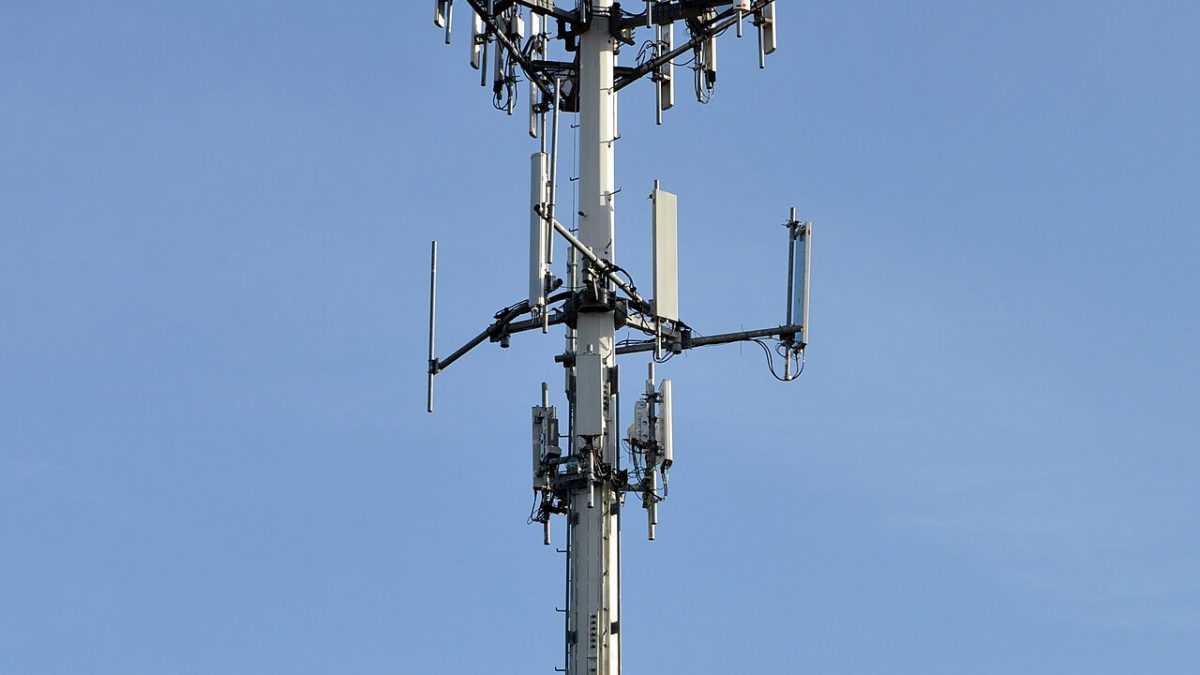
Cell phones have become indispensable for staying in touch with family, friends and customers. Yet in the Pacific Northwest, plenty of homes, farms, offices and boats still get one bar — or none. A properly installed cell signal booster is often the most reliable fix. Here’s how boosters work, what the rules are, and what results you can realistically expect.
Key takeaways
- A booster amplifies existing signal; it cannot create coverage where there is none outside.
- The outside antenna placement decides most of the result — height and line of sight to the tower matter.
- In the U.S., use a booster certified under FCC rules and register it with your carrier when required.
- Good installation (antenna separation, low-loss cable) prevents oscillation and lost gain.
Why coverage is so patchy here
Cellular signals are radio waves, and in our region they have plenty to get past: tall Douglas firs and cedars, ridges and valley floors, long stretches of water to the islands, and modern buildings with metal roofs, foil-backed insulation and energy-efficient low-E glass. You can be only a few miles from a tower and still get dropped calls indoors.
Higher-frequency bands that carry the fastest data travel the shortest distance and penetrate buildings poorly. That’s why your phone may show signal outdoors but lose it as soon as you walk inside.
How a cell signal booster works
Every booster system has three main parts:
- Outside (donor) antenna — mounted on the roof, a mast or the gable end, pointed toward the tower or placed where signal is best.
- Amplifier — increases the strength of the signal in both directions: from the tower to your phone (downlink) and from your phone back to the tower (uplink).
- Inside (server) antenna — rebroadcasts the improved signal in the rooms you need.
Because the amplifier boosts the uplink too, your phone doesn’t have to shout as loudly to reach the tower — often improving battery life as well as call quality.
The rules: certification and registration
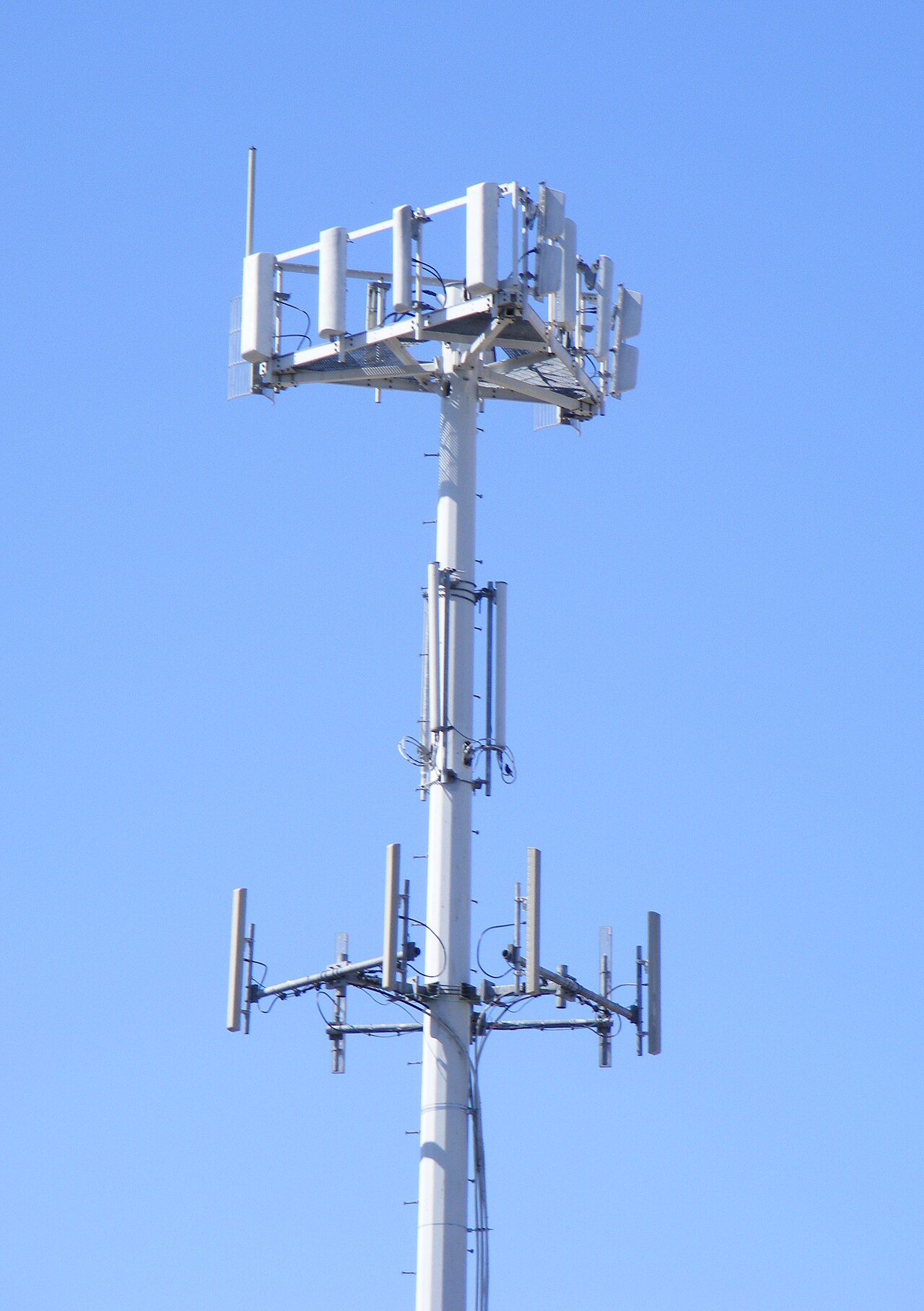
The FCC adopted rules for consumer signal boosters in 2013 to protect cellular networks from interference. In practice that means:
- Use a booster that is certified for consumer use under FCC rules (look for an FCC ID and label on the product).
- Most carriers require or request that you register a consumer booster with them; registration is usually a short online form.
- Certified boosters include safeguards that automatically reduce power or shut down if they detect oscillation or are too close to a tower.
- Industrial boosters for large commercial buildings follow different rules and generally require carrier permission and a licensed installer.
Choosing the right booster
| Situation | Typical choice | Notes |
|---|---|---|
| One or two rooms, decent outside signal | Small home booster | Affordable; limited coverage area |
| Whole house, weak outside signal | Higher-gain home booster with directional (Yagi/LPDA) outside antenna | Antenna aimed at the best tower |
| Office, shop or steel building | Commercial-grade booster, multiple inside antennas | Professional design recommended |
| Car, truck or RV | Vehicle booster | Lower gain by design |
| Boat | Marine booster with marine-rated antenna | Corrosion-resistant hardware |
Installation: where results are won or lost
1. Survey first
Phone bars are a rough guide. We measure actual signal strength and quality (values like RSRP and SINR) for each carrier, at several heights and positions outside, to find the best donor-antenna location and direction.
2. Get height and line of sight
Raising the outside antenna a few feet above the roofline — clear of trees and metal — can make a dramatic difference.
3. Separate the antennas
If the inside and outside antennas “hear” each other, the booster feeds back (oscillation) and reduces its own power. Vertical and horizontal separation, and pointing antennas away from each other, preserves full gain.
4. Use quality cable and short runs
Every foot of coaxial cable loses some signal. Low-loss cable, tidy routing and as few connectors as possible keep the gain you paid for.
5. Verify and register
We take before/after readings, walk through results with you and help you register the booster with your carrier.
What results to expect
- Usable outdoor signal (2–3 bars): strong, stable indoor coverage in most of a home or small office.
- Weak outdoor signal (1 bar): reliable calls and texts in key rooms; data improves but may not be fast.
- No outdoor signal: a booster can’t help. Consider Wi-Fi calling, a different carrier, or a cellular router with a high-gain antenna in a better location.
Alternatives and complements
- Wi-Fi calling: free on most phones and carriers; needs reliable home internet.
- Cellular router + external antenna: best when you want fast internet over cellular rather than better phone calls.
- Switching carriers: a survey sometimes reveals one carrier is far stronger at your address.
Frequently asked questions
Are cell signal boosters legal in the United States?
Yes. Consumer boosters certified under FCC rules may be used, and most carriers ask you to register them. Uncertified boosters can cause interference and should be avoided.
Does one booster work with all carriers?
Most consumer boosters are multi-carrier and amplify the major U.S. networks simultaneously, but results depend on where each carrier’s towers are relative to your antenna.
Will a booster improve my data speeds?
Often, yes — especially upload speeds and stability. However, if fast home internet is the main goal, a cellular router with an external antenna is usually the better tool.
Learn more about our cell signal booster installation.
One bar at home?
We survey every major carrier at your address before recommending a booster.